Over 100 Years of Achievement
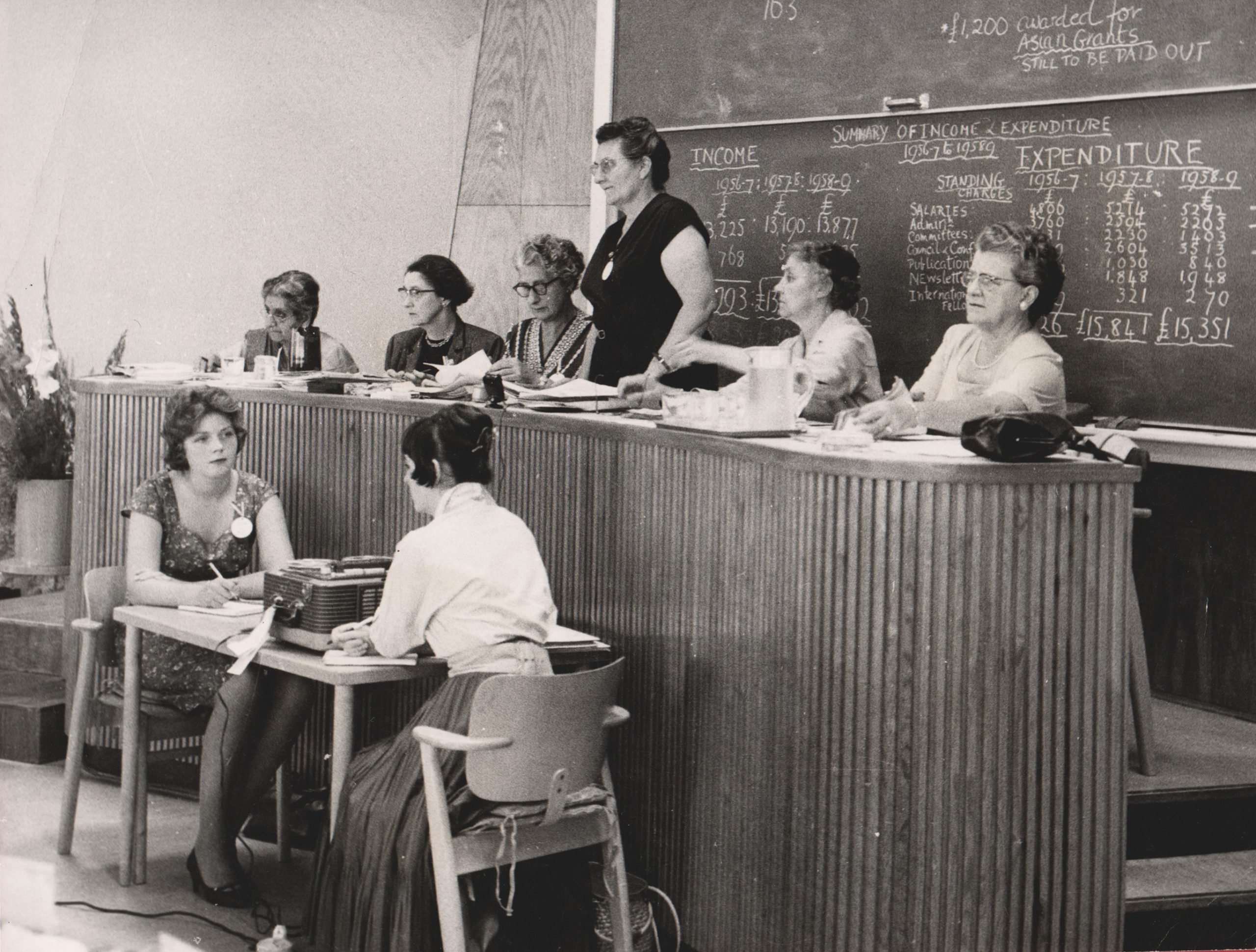
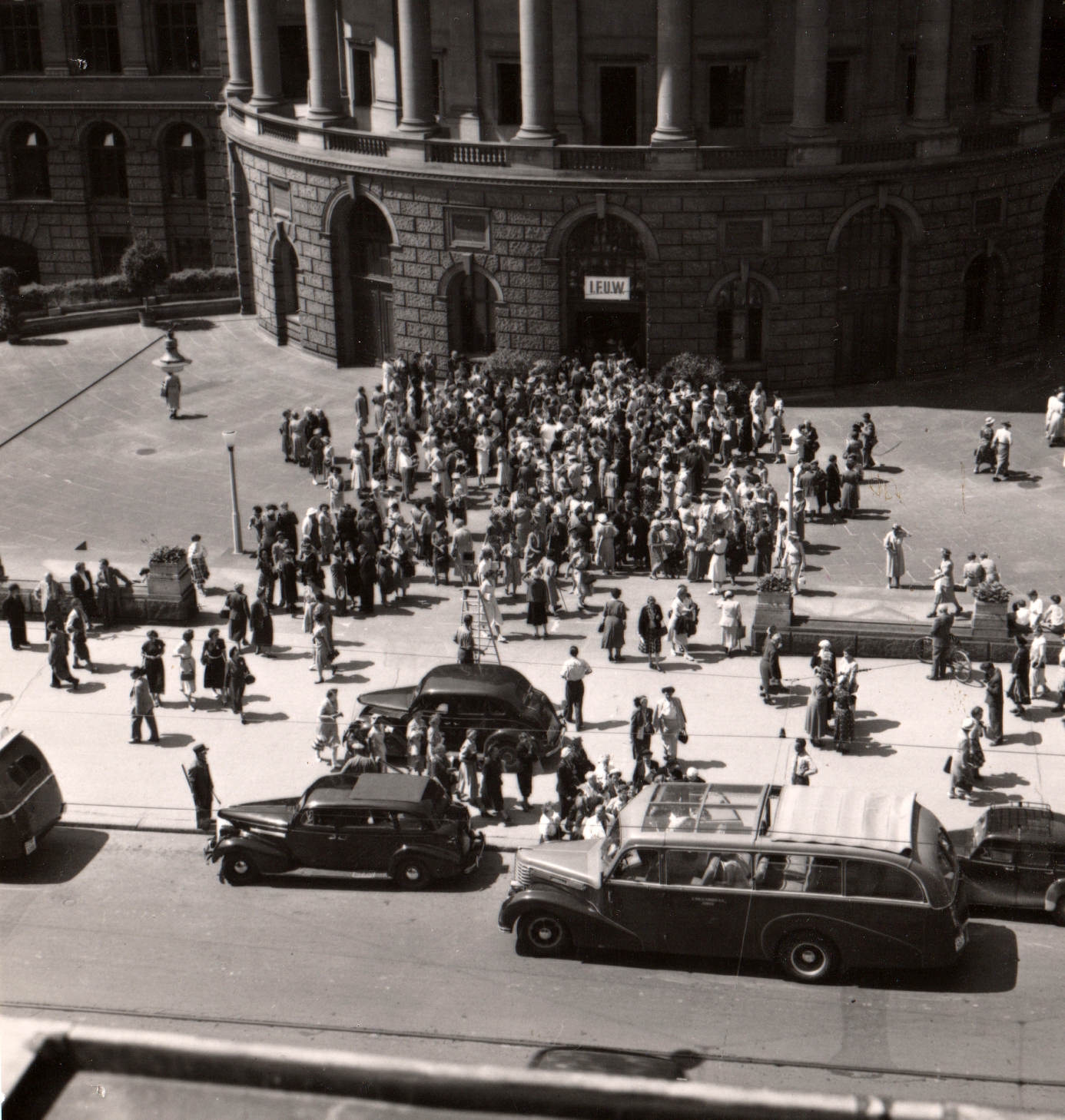
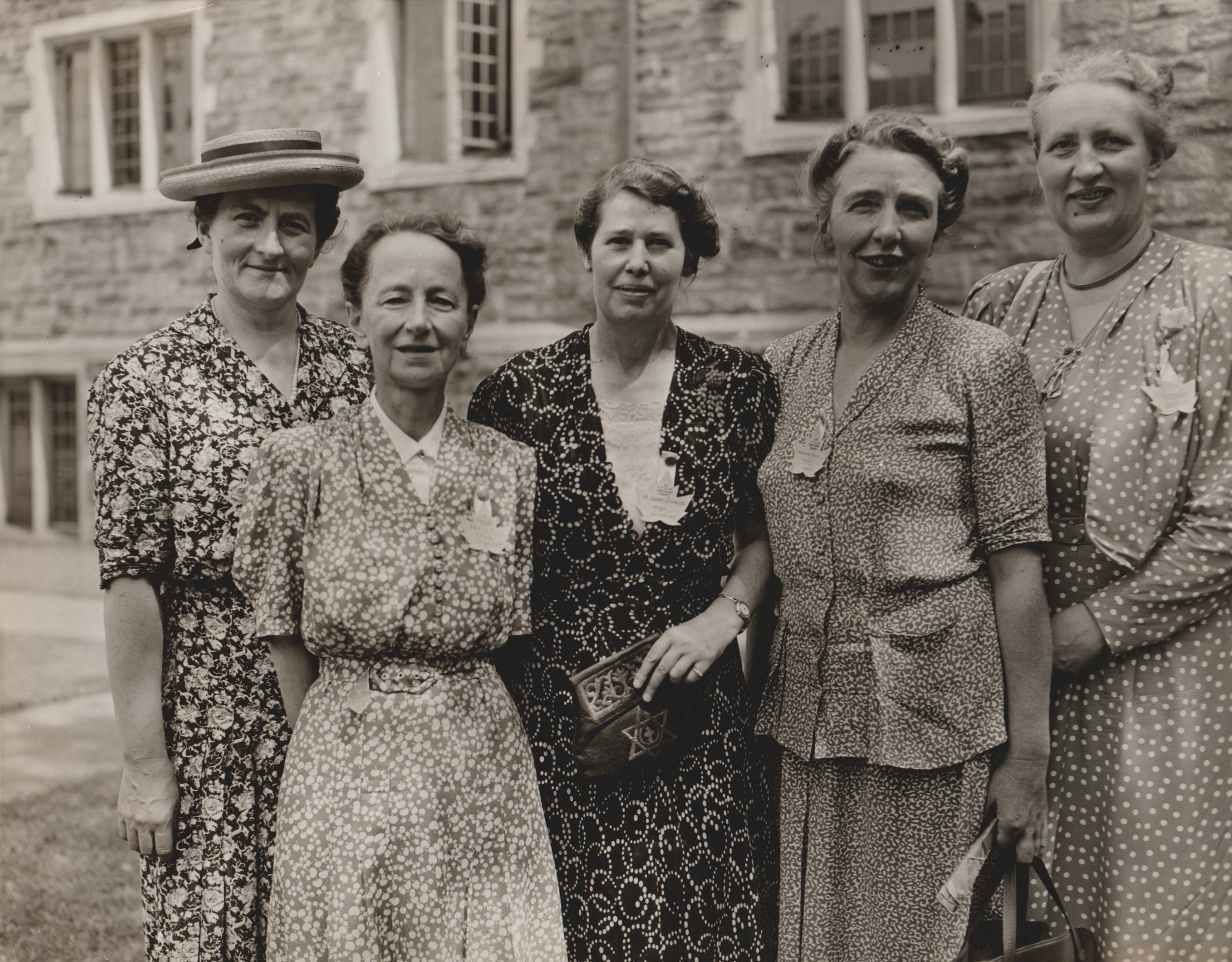
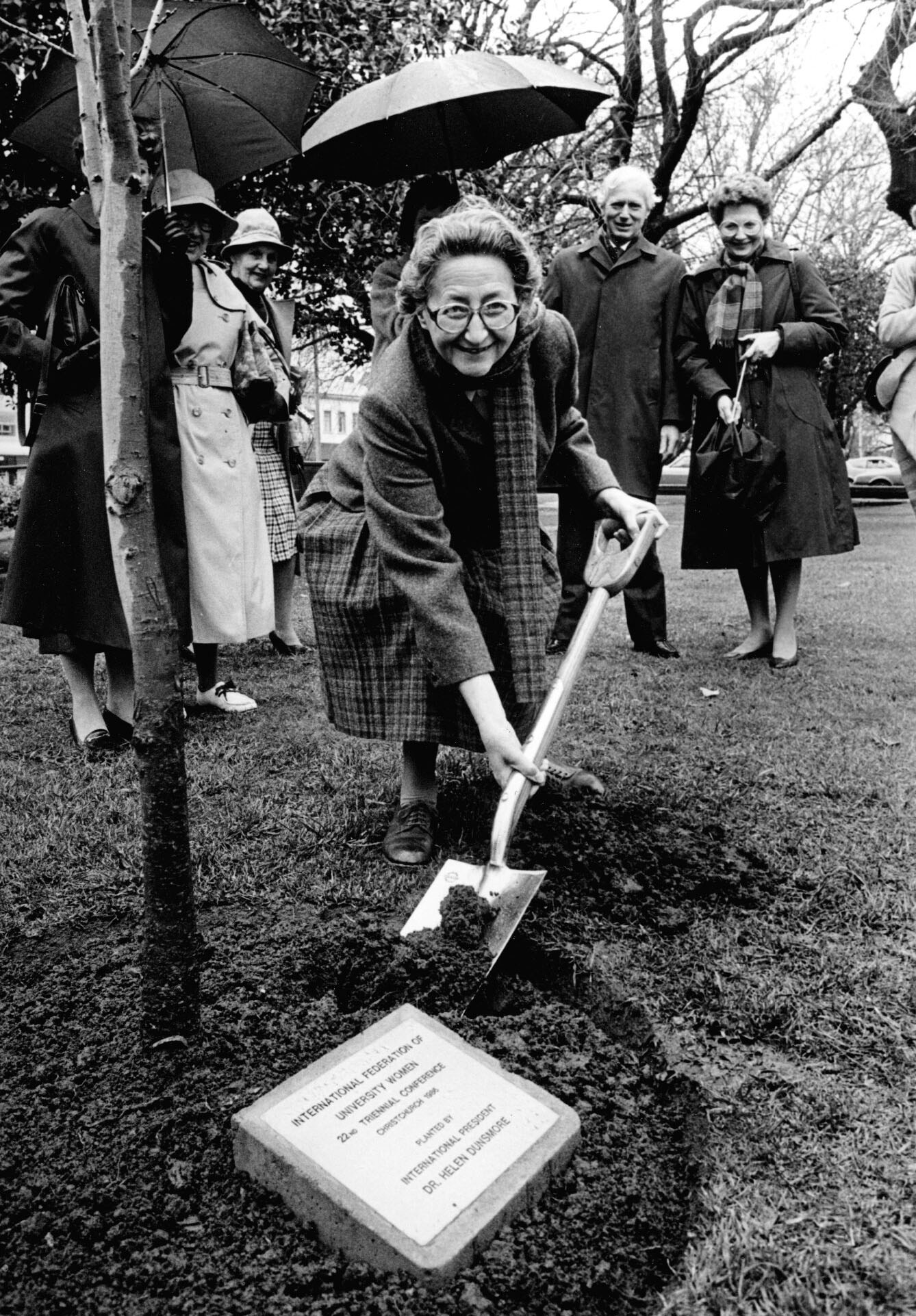
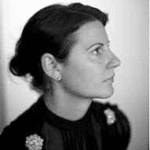
When Dean Virginia Gildersleeve, Professor Caroline Spurgeon and Rose Sidgwick sat together in 1918 and conceived the idea of a worldwide organisation uniting university women, they were convinced that by fostering friendship and understanding, women graduates could help prevent another catastrophe such as the World War that had just ended. Their dream became reality the next year when university women from Great Britain, Canada and the United States met to lay the foundation for IFUW. Over ninety years later, and under the new title of Graduate Women International (GWI), thousands of women graduates throughout the world share the same principles and vision that inspired those early leaders. GWI continues to advocate in favour of secondary, higher and continuing education for women all over the world.
Over 100 Years of Achievement
When Dean Virginia Gildersleeve, Professor Caroline Spurgeon and Rose Sidgwick sat together in 1918 and conceived the idea of a worldwide organisation uniting university women, they were convinced that by fostering friendship and understanding, women graduates could help prevent another catastrophe such as the World War that had just ended. Their dream became reality the next year when university women from Great Britain, Canada and the United States met to lay the foundation for IFUW. Over ninety years later, and under the new title of Graduate Women International (GWI), thousands of women graduates throughout the world share the same principles and vision that inspired those early leaders. GWI continues to advocate in favour of secondary, higher and continuing education for women all over the world.
The lamp logo was designed by members of the Norwegian Federation for the Third Conference in Oslo in 1924. The delegates at that meeting adopted it as the permanent badge of IFUW. The original showed an antique lamp representing the light of learning on a blue background broken with the letters of IFUW. Around the central disc was an interlinked chain symbolising the bonds of friendship linking IFUW members throughout the world. Eventually the lamp came to be known as the lamp of friendship. It was later modernised and the chain was dropped.
We are an international membership organization for graduate women from around the world. Our members possess a rich tapestry of academic disciplines, experiences in the private and public sectors, a range of competencies and skills and professional and personal achievements.


Why become an independent member? Independent membership opens GWI’s international network to women graduates from countries where there is not yet a GWI affiliate and to women graduates who do not wish to join a national group.
The benefits of belonging to GWI are:
Subscription fees:
How to join:
If there is already an association or federation (NFA) in your country of residence, please contact them first to find out about the opportunities they provide at the national and local level. The single membership fee you would pay to the NFA would cover both your national and GWI membership. Often national fees are the same or lower than the independent member fee. As a national member you have the added benefit of contacts with graduate women at the local and national level and can participate in a range of activities and meetings in your country of residence.
If there is no national association or federation in your country, please click on one of the links below to join GWI’s international network of women graduates:
GWI’s regional groups offer members opportunities to exchange ideas and work together with members from nearby countries, experiencing the international aspect of GWI membership, while drawing on similar geographical, cultural and historical backgrounds. The regional groups organise conferences, seminars, friendship visits, and joint projects on issues of common concern. They also represent members at meetings of regional organisations, such as the Council of Europe.
The GWI YMN is made of proactive female change makers from across the globe who advocate for youth issues within the organization and on international platforms including UN Commission on the Status of Women (CSW), the ECOSOC Youth Forum and SDG Youth Summits.


Graduate Women International (GWI) advocates for women’s rights, equality and empowerment through access to quality secondary and tertiary education, and training up to the highest levels. Our vision is 100% of girls and women in the world achieving education beyond primary school.
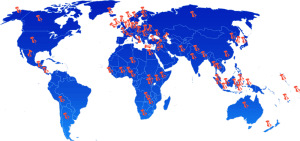
We have national affiliates in 60 countries and individual members in more than 40 others. Join our international advocacy and grant programmes and learn how you can become part of an international network of women working for change.
Graduate Women International (GWI) advocates for women’s rights, equality and empowerment through access to quality secondary and tertiary education, and training up to the highest levels. Our vision is 100% of girls and women in the world achieving education beyond primary school.
We have national affiliates in 60 countries and individual members in more than 40 others. Join our international advocacy and grant programmes and learn how you can become part of an international network of women working for change.
Mission Graduate Women International (GWI), founded in 1919 as the International Federation of University (IFUW), is a worldwide, non-governmental organisation of women graduates, whose purpose is to:
To achieve these aims, GWI shall:
Our members volunteer their expertise in a wide-range of community projects, for example:


GWI’s Board of Officers and Committee Convenors are elected every three years by GWI members at the General Assembly, the governing body of GWI. GWI Committees play a vital role within the organization.


Graduate Women International (GWI) is pleased to announce the opening of applications for the 2025 round of International Fellowships. These prestigious fellowships aim to support women scholars from around the globe in their pursuit of higher education and research and empower the next generation of female leaders and change-makers. This year, we invite applications from women pursuing postgraduate studies who are currently enrolled for a PhD. The deadline to submit applications is 15 January 2025.
The GWI Head office is based in Geneva Switzerland. GWI has a small and dedicated staff and the extraordinary contributions of interns.
Executive Director
Stacy Dry Lara
Email: gwi@graduatewomen.org
Telephone: + 41 22 731 23 80


Graduate Women International (GWI) is pleased to announce the opening of applications for the 2025 round of International Fellowships. These prestigious fellowships aim to support women scholars from around the globe in their pursuit of higher education and research and empower the next generation of female leaders and change-makers. This year, we invite applications from women pursuing postgraduate studies who are currently enrolled for a PhD. The deadline to submit applications is 15 January 2025.
Click here to access the 2025 Fellowship Guidelines and Instructions.
Click here to download the 2025 Fellowship Application.
To learn more about the 2022 GWI fellowship winners, we invite you to click HERE.
Graduate Women International offers every three years, on the occasion of its triennum, a number of international fellowships and grants to women graduates for postgraduate research, study and training. The GWI 2022 fellowships programme is now closed. The next GWI fellowships programme will open in the fall of 2024 ahead of the 2025 GWI Triennium.
To read more about this fellowship click HERE
Many of GWI’s national affiliates offer fellowships, grants, scholarships and stipends to women and girls for primary and secondary education, undergraduate studies and postgraduate research, study and training.
To read more about this fellowship click HERE
GWI’s fellowships programme makes it possible for women graduates to complete exciting research in many important fields. For example, they are analysing the impact of global trends on women and children, investigating women’s health issues and assessing educational subjects. Many are working in areas directly related to GWI priority interests. Their studies will have far-reaching benefits, for their own careers, and for the communities and countries from which they come.
To read more about this fellowship click HERE
The Hegg Hoffet Fund assists graduate women who have been displaced as a result of war, political upheaval or other serious emergencies.
To read more about this fellowship click HERE
The Bina Roy Partners in Development Programme supports projects that empower girls and women through education and leadership development. BRPID grants are awarded to GWI national federations and associations from developing countries on a competitive basis.
The Bina Roy projects are supported by donations from impact investors, personal contributions and our own member affiliates around the world.
Bina Roy Project Leaders can now easily fill in the project Mid-term and Final reports electronically. The Mid-term report form is accessed here and the Final report form can be accessed here.
To read more about this fellowship click HERE
GWI is working to increase the number of girls that go to school. In rural areas of Uganda, a huge number of girls are not enrolled in school or forced to drop out, in part due to a lack of women teachers. Our project will support 50 young women from rural Uganda to become qualified secondary school teachers and ambassadors for girls’ education. This will provide access to quality education for 2000 children per year and vital role models to improve girls’ enrollment. To make a donation to the Teachers for Rural Futures programme, click HERE.GWI is working to increase the number of girls that go to school. In rural areas of Uganda, a huge number of girls are not enrolled in school or forced to drop out, in part due to a lack of women teachers. Our project will support 50 young women from rural Uganda to become qualified secondary school teachers and ambassadors for girls’ education. This will provide access to quality education for 2000 children per year and vital role models to improve girls’ enrollment
To read more about this fellowship click HERE